
On September 30, more than 250 members of the MIT community gathered alongside industry partners, clinicians, patient advocates, and endometriosis researchers for an evening that felt less like a screening and more like a movement taking shape.
Menstruation Science Day at MIT, centered around a screening of the groundbreaking documentary End of the Cycle, brought together students, faculty, donors, entrepreneurs, and leaders in women’s health for a single purpose: to challenge misconceptions about endometriosis and to catalyze the next wave of research, innovation, and care.
From Demos to Dialogue
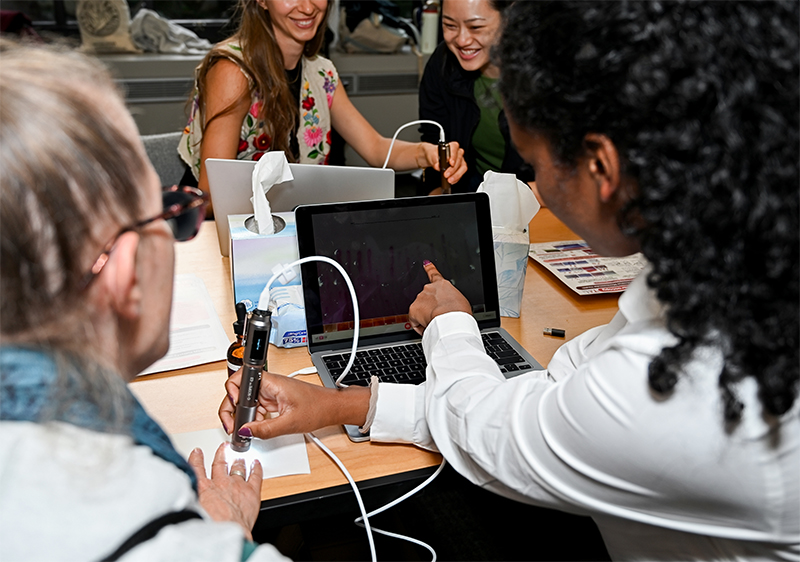
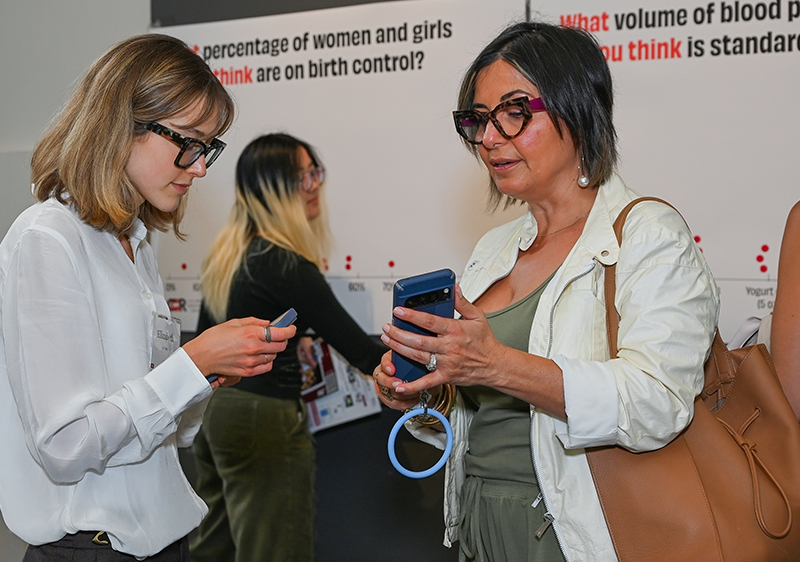
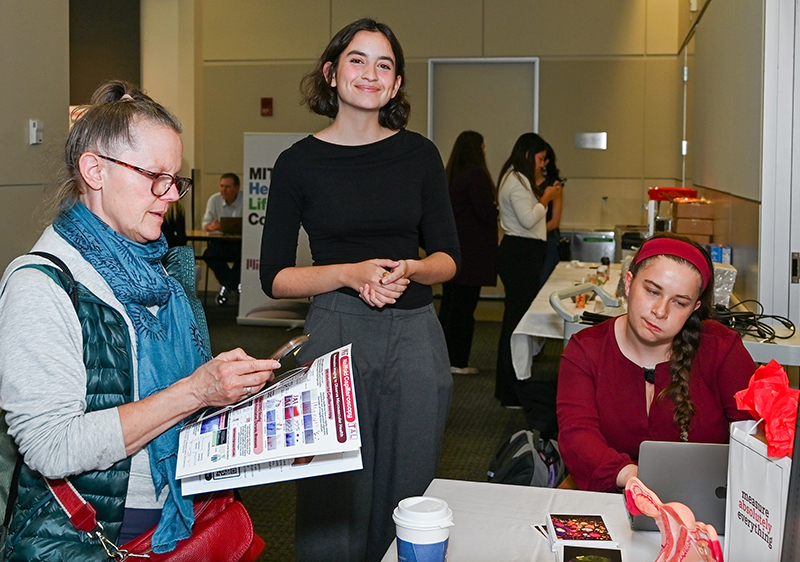
The day kicked off with hands-on demonstrations in the Bush Room, where Dr. Mikki Tal and her team showcased capillary blood flow measurements, CGR post-docs let students handle microfluidic chips and NAMs devices. Guests learned about WAVI and RightEye technology exploring non-invasive cognitive measurements. On their way out, guests could participate in some engaging data charts asking their thoughts on current women’s health trends (including “what percentage of women and girls do you think are on birth control”), take our Women’s Health Quiz for a chance to win a CellfieScope, and grab a bag of popcorn for the showing. Some of the most interesting conversations of the day were spawned when guests of every demographic were confronted with their preconceived ideas about the women’s health landscape.
Building Relationships Across Sectors
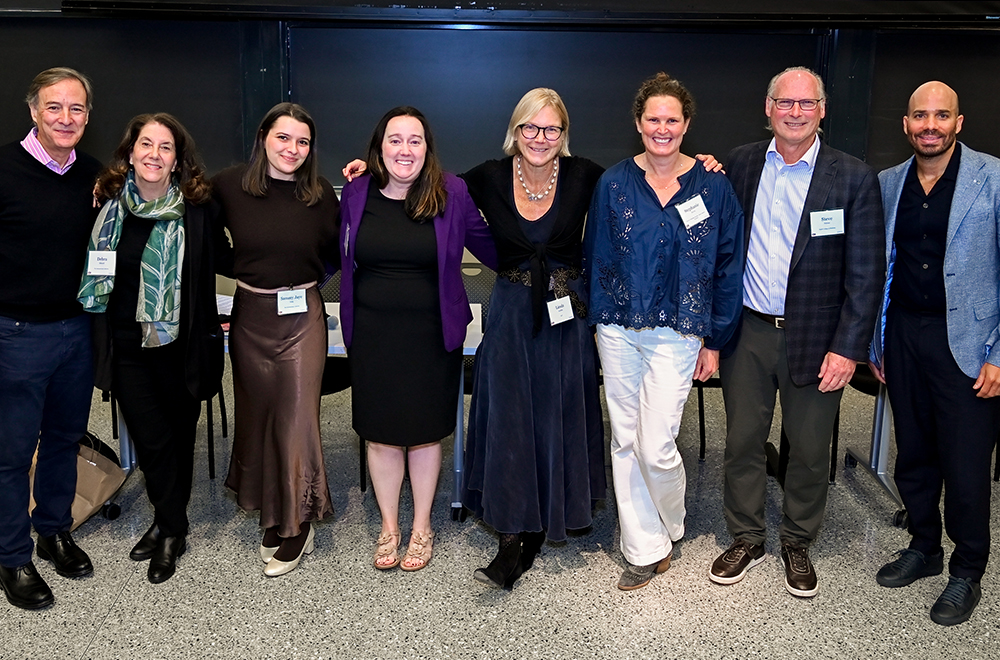
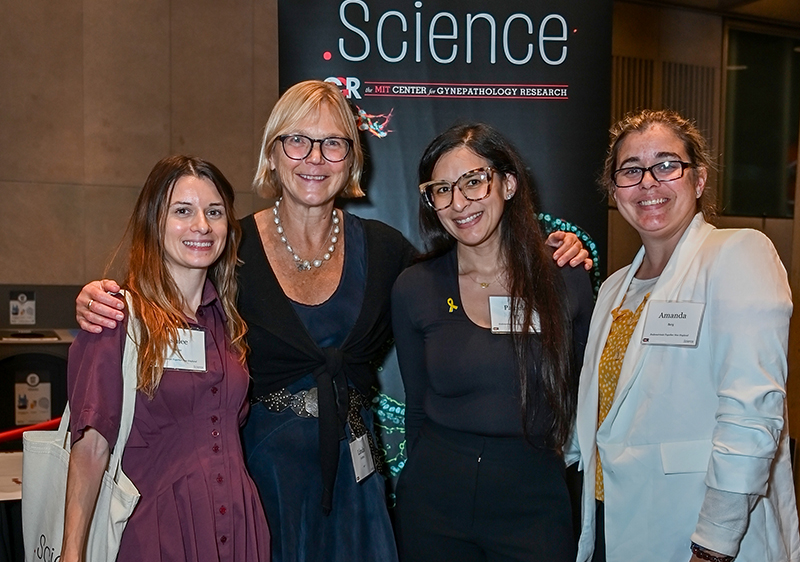
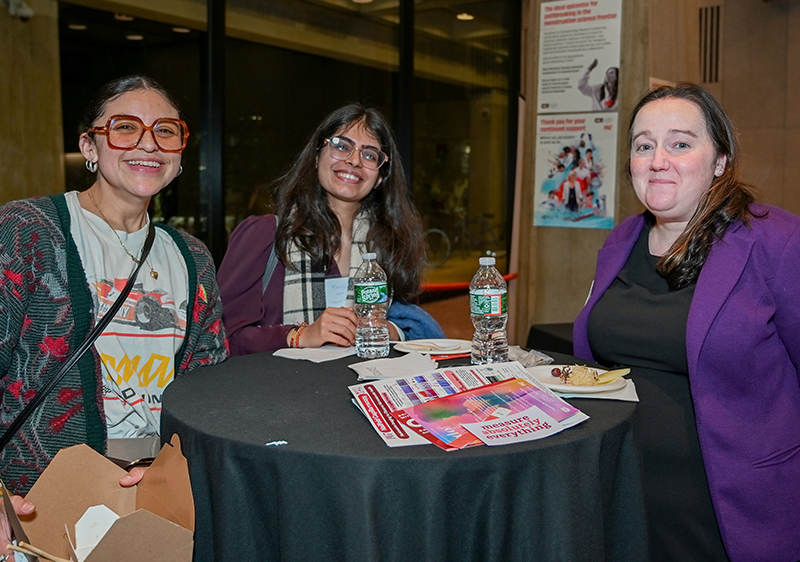
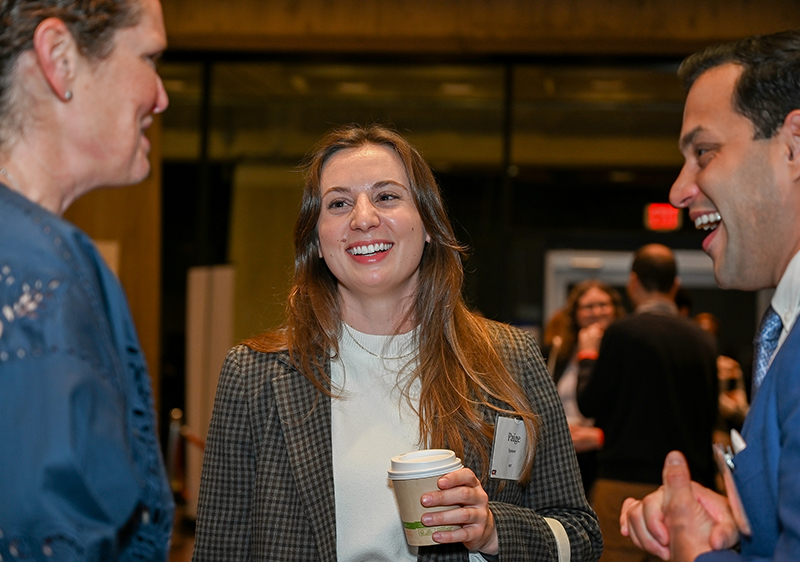
The real energy of the day emerged during the reception and meet and greet in Lobby 13. Industry leaders, donors, clinicians, and students were deeply engaged with one another. The Lang family, who produced the documentary, was welcomed by the MIT community. Students who attended had access to leading researchers and industry professionals. Our industry guests got an up-close view of the work happening at MIT, and people who will likely work together in the years ahead were able to establish meaningful connections at our event.
The Film and Panel
The film—featuring Amy Schumer, Brittany Brown, Janel Parrish, Julianne Hough, Fọlákẹ́ Olówòfóyèkù, and the voices of leading researchers including MIT’s Linda Griffith—doesn’t ask for sympathy for women with endometriosis. It asks for recognition and action.
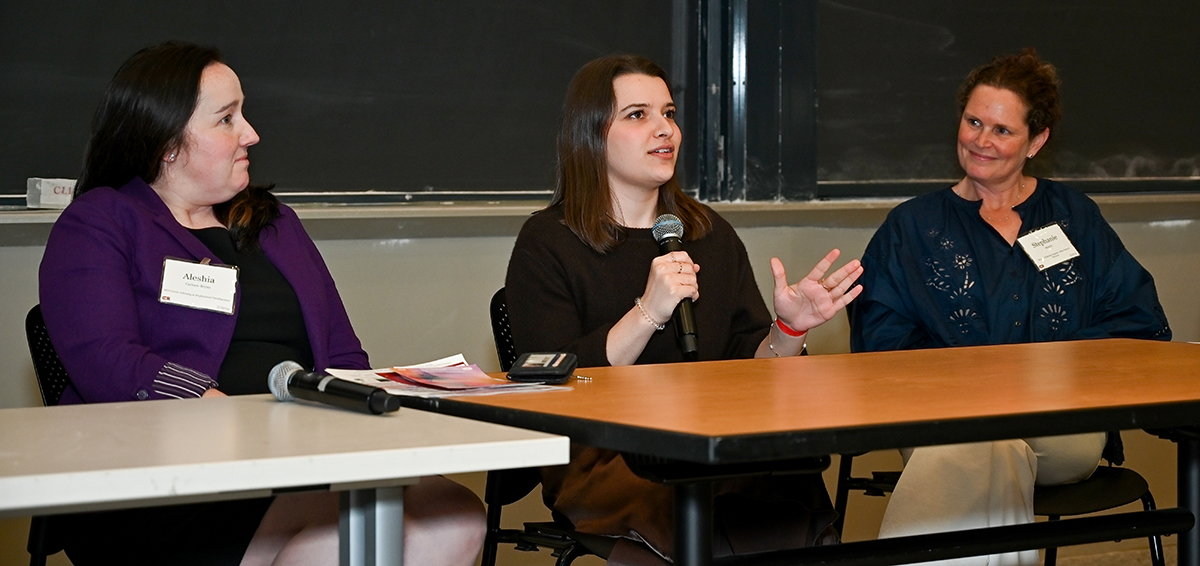
The expert panel that followed was moderated by Professor Griffith. The panelists—Sammy Jaye Lang (The Endometriosis Collective), Dr. Steve Palmer (Baylor), Prof. Eliezer Calo (MIT), Dr. Stephanie Morris (Newton Wellesley), and Dr. Aleshia Carlsen-Bryan (MIT)—offered multiple perspectives on where women’s health innovation stands and what it will take to accelerate progress.
Menstruation Science Day was about building community across sectors. We wanted to show students what a women’s health career can look like, remind industry and donors that the future of innovation is being built right now at MIT by people who are both rigorous scientists and deeply committed to patient advocacy, and demonstrate that endometriosis finally has the attention and cross-sector collaboration it deserves.
To stay informed about CGR research, events, and opportunities to get involved,
Join Our Student Outreach Group
Are you interested in learning how CGR engages with college and high school students about menstruation health? Consider joining our student outreach group! Sharing your contact information signals interest, but is not a commitment on your part. We’ll reach out with more details about our activities and what you can expect.